
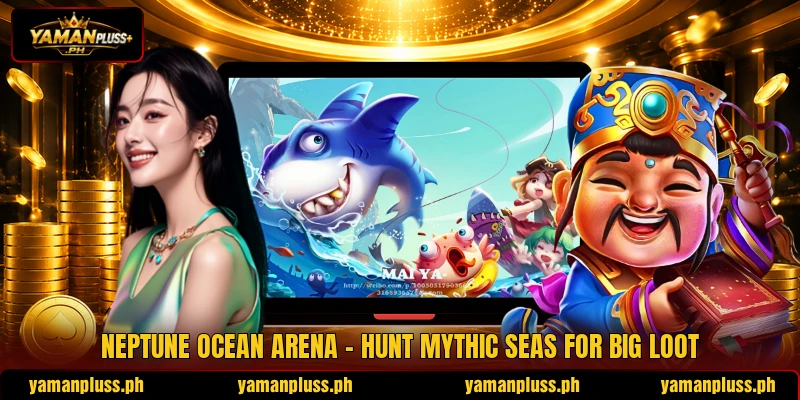
Neptune Ocean Arena places members inside an underwater field where targets cross several firing lanes. Each round combines cannon control, creature values, and limited shooting windows on YAMANPLUS. This guide serves players by explaining rules, controls, room choices, and firing methods.
A clear overview to Neptune Ocean Arena
Neptune Ocean Arena uses a screen where sea creatures move through varied directions and speeds. Members fire from fixed positions, while each confirmed capture adds a listed score. The interface shows cannon strength, credits, target paths, and bonus signals.
The game follows a shooting format, yet large targets are not always easy captures. Smaller creatures may cross quickly, whereas bigger ones need several accurate hits. YAMANPLUS presents the title through a lobby with visible room and stake details.
Rounds continue as targets enter, so attention remains on movement and timing. Neptune Ocean Arena includes special creatures that may trigger multipliers or area effects. These features change shot decisions without altering the basic aim and fire process.
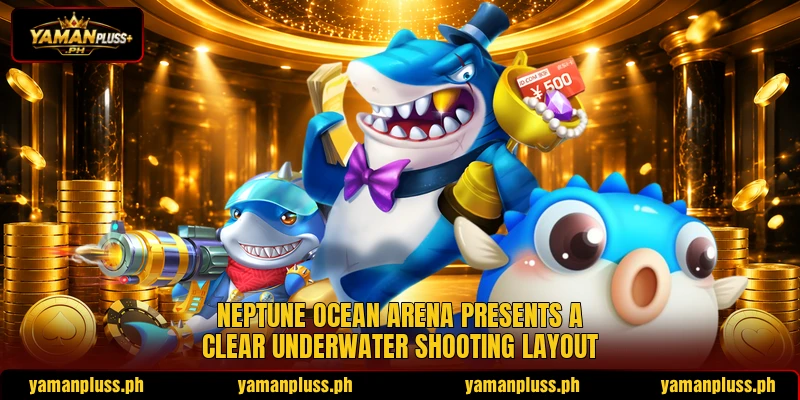
Core rules and mechanics for accurate shooting rounds
Neptune Ocean Arena becomes clearer when members understand cannon settings, target values, and result signals. Every control matters, while each rule affects shot costs and score returns.
Reading cannon tiers and costs
Cannon levels determine the credit amount used whenever a shot leaves its position. Higher settings create stronger damage, although every attempt carries a larger cost. Members should match weapon strength with the room and visible creature values.
The control button increases or decreases power through listed steps. A number beside the cannon shows how many PHP credits each projectile requires. Players can change levels between shots, supporting responses to different target sizes.
A low setting suits common creatures near the firing point. Medium power can cover sturdier targets without sending projectiles across empty lanes. Strong cannons fit rare creatures when paths remain open for repeated hits.
Tracking prey and score values
Every creature carries a value showing its possible score after capture. That number may appear beside the target, within a help table, or inside room rules. Members should read these values before firing because appearances can mislead.
Fast fish leave the screen quickly, so late shots often miss their path. Slow creatures provide more aiming time, although they may require several impacts. Large targets can offer higher returns, but other cannons may compete.
Neptune Ocean Arena rewards confirmed captures rather than the number of projectiles fired. A hit animation shows contact, while another effect confirms the actual score result. Players should distinguish these signals because contact does not always mean a completed catch.
Using Neptune Ocean Arena arsenal features
Special weapons may appear through buttons, bonus drops, or creature events. Each option can freeze movement, widen damage, or strike nearby targets. Members should activate these tools when valuable creatures occupy a clear area.
A freeze effect slows the field and gives cannons more time to connect. Area damage works best around grouped targets instead of isolated creatures near edges. Auto aim can follow a chosen target, though suitable cannon strength remains necessary.
Weapon icons show remaining uses, active duration, or recharge status beside the controls. Neptune Ocean Arena displays these details so players can avoid wasting limited effects. Careful reading matters because each feature follows a separate rule and timing window.
Understanding rewards and round signals
Bonus creatures may carry labels, glowing borders, or unusual movements. Capturing one can open a short event, multiplier, or extra weapon sequence. Members should check the information panel because symbols may vary between game versions.
A warning sound often announces a boss target or temporary scoring event. The screen may then show a countdown, health bar, or highlighted reward figure. Players gain better positions when they notice signals before targets enter crowded lanes.
Round messages confirm wins, missed events, and feature endings through visual notices. The interface separates normal action from temporary bonus sequences with clear updates. Members should follow displayed results instead of assuming every flashing effect creates rewards.
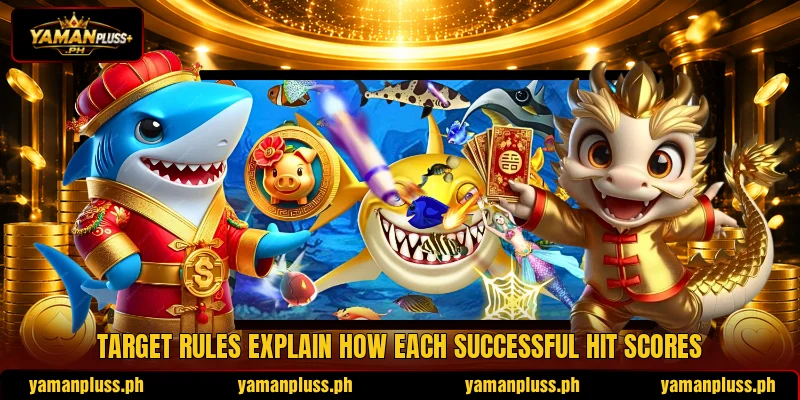
Focused methods for strategies rooms and firing
Room choice and shot placement shape session pace, while controls remain unchanged. Neptune Ocean Arena becomes clearer when members compare limits, traffic, and movement before joining.
Selecting tables by credit range
Each room usually lists a minimum cannon value and expected credit level. Entry details help members choose settings matching a preferred PHP or USD stake. A suitable room keeps shot costs clear while preserving access to common targets.
Low range rooms often use smaller cannon steps and slower power increases. Mid range areas may add sturdier creatures, faster traffic, and feature events. High range tables can demand larger credits per shot and stronger target resistance.
Players should read room rules before entry because limits may change. Neptune Ocean Arena may present different target tables or weapon options in separate rooms. Comparing those details prevents confusion after the first round begins.
Aiming along open movement paths
A useful shot follows the target path instead of chasing it after it passes. Members can aim slightly ahead when fish cross a straight lane quickly. This approach gives projectiles time to meet moving targets near their route.
Crowded areas may look attractive, but overlapping creatures can hide intended targets. Clear lanes make hit direction easier and reduce wasted shots near borders. Players should favor open angles when valuable creatures cross without visual obstruction.
Repeated firing works best when targets remain visible along predictable lines. Different movement patterns require members to adjust before extending any shot sequence. Stopping fire after a sharp turn prevents projectiles entering an empty route.
Timing shots near shared targets
Several members can attack one creature, creating competition around valuable targets. A player should watch existing fire before joining crowded attacks. Entering late may add costs without enough time for a confirmed capture.
Fresh targets provide longer exposure because more distance remains before leaving. Players can begin with measured shots, then raise power when impacts remain aligned. This sequence keeps pressure controlled while creatures stay inside firing lanes.
Boss events require attention to countdowns, health changes, and travel distance. Visible status signals help members judge whether continued firing still makes sense. Timed decisions work better when based on status information rather than flashing effects.

Conclusion
Neptune Ocean Arena combines direct cannon controls, visible target values, special weapons, and varied room limits. Players can review each rule, while YAMANPLUS provides access through its online game lobby. Register, download the app, open the game, and good luck with every round.